
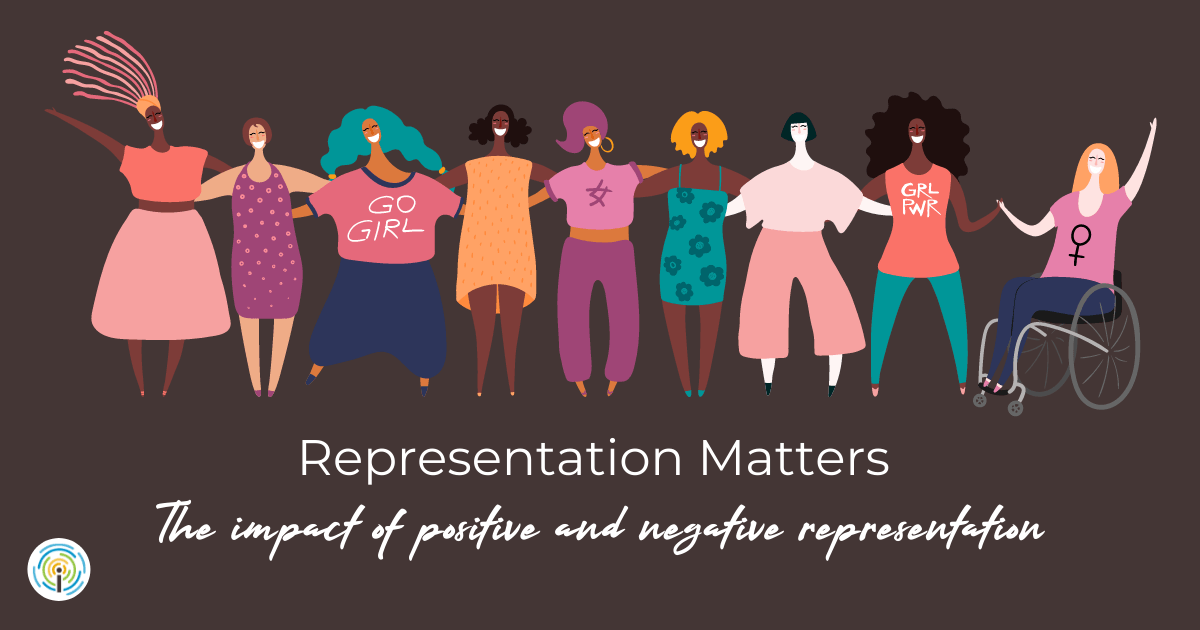


Representation is more than an image on a billboard, it signals values, reflects society, and increasingly drives business growth, and so, should be embraced and employed as strategy and purpose
Disability representation in advertising no longer remains optional for brands that aim to stay relevant, trusted, and competitive.
Globally, brands have recognised its power, but in Nigeria, awareness and adoption are still emerging, even as some pioneering companies begin to lead the way.
Unlocking Market Potential
Disability representation significantly impacts brand reputation, customer loyalty, and the bottom line.
According to the World Health Organization, over 1 billion people worldwide live with a disability, representing a sizeable and often untapped market.
By authentically featuring disabled individuals in campaigns, brands can tap into this audience, demonstrating social responsibility and forward-thinking.
Research by the NUS Business School and Accenture, alongside Disability:IN, shows that companies prioritising disability inclusion achieve 1.6 times higher revenue, 2.6 times higher net income, and double the economic profit compared to peers without such initiatives.
Authenticity Beyond Tokenism
Experts stress that authentic disability representation extends beyond one-off inspirational stories or token appearances.
Brands must feature disabled individuals in everyday contexts
working, socialising, shopping, and enjoying life to normalise inclusion and challenge stereotypes.
Simultaneously, integrating accessibility in products, services, and communications benefits not only people with disabilities but also older adults, parents with strollers, and other underserved audiences, creating universal advantages for inclusive brands.
Nigerian Brands Leading the Way
Some Nigerian brands are already embracing inclusion. Airtel Nigeria partnered with Noah’s Ark Communications for its acclaimed “Esther” campaign, highlighting a disabled individual and underscoring accessibility and inclusivity in advertising.
This effort complemented Airtel’s broader “Touching Lives” initiative, which tells authentic stories of Nigerians overcoming daily challenges.
Similarly, Hypo’s “Pure Love” campaign and Maltina’s inclusivity-driven efforts illustrate that disability representation is gaining momentum across sectors including telecommunications, FMCG, education, and health.
Industry Guidance for Meaningful Inclusion
Top industry professionals advise Nigerian brands that disability representation should be embedded in brand DNA, not treated as a one-off marketing or CSR activity.
Brands should collaborate with disabled creators, influencers, and advocacy groups to ensure campaigns are authentic, relatable, and respectful.
Accessibility should be prioritised in product and service design, while internal training ensures teams consistently understand and adopt inclusive practices.
Driving Business Growth and Innovation
The business case for disability representation is clear. Inclusive brands can grow market share, strengthen loyalty, and attract engaged employees.
Customers increasingly reward companies that mirror societal values and champion diversity, while employees gravitate toward workplaces fostering inclusion and purpose.
Investing in accessibility also sparks innovation, as designing for inclusivity often produces solutions benefiting broader audiences beyond the immediate target.
Overcoming Opaqueness in the Nigerian Advertising Space
Unlike global markets, where campaign information, media accounts, and agency activity are increasingly transparent, the Nigerian advertising space often operates in “privacy mode.”
It is frequently challenging to determine which agency produced a campaign, who manages media accounts, or the scale of ad spend.
Most publicly available information is limited to awards. Nevertheless, initiatives like Airtel’s “Esther” campaign demonstrate that meaningful representation is achievable even within this opaque environment.
Representation as Strategic Imperative
Disability representation is no longer merely a matter of social responsibility, it has become a strategic necessity.
Nigerian brands can connect authentically with a growing consumer segment, enhance reputations, and demonstrate leadership in a values-driven market.
Examples such as Airtel, Maltina, and Hypo show that integrating inclusion into brand strategy is both achievable and impactful.
By following expert guidance, investing in authentic representation, and prioritising accessibility, Nigerian brands can transform inclusivity into a business advantage.
In doing so, they reflect the diversity of their audiences, inspire trust, and reinforce that in a modern economy, representation matters socially, culturally, and commercially.




Comment
No comments found.